Introduction
Do you know the deep meaning behind the Feng Shui proverb \”Choose a concave door and a convex tomb\”? In many rural areas, this is not just a casual talk, but a wisdom closely related to traditional culture. How does this sentence affect the fortune of the family and the future of the children and grandchildren? Read on and let’s explore the philosophy behind this and the changes in Feng Shui beliefs.
The meaning of \”door selection concave\”
\”Choose a concave door, choose a convex tomb, and the family will be filled with capable people.\” This Feng Shui assertion is still believed by many people in rural areas, and this proverb consists of two parts. \”Choose a concave door\” is One of them, many young people may be confused when they hear this, and they don’t even know what it means.
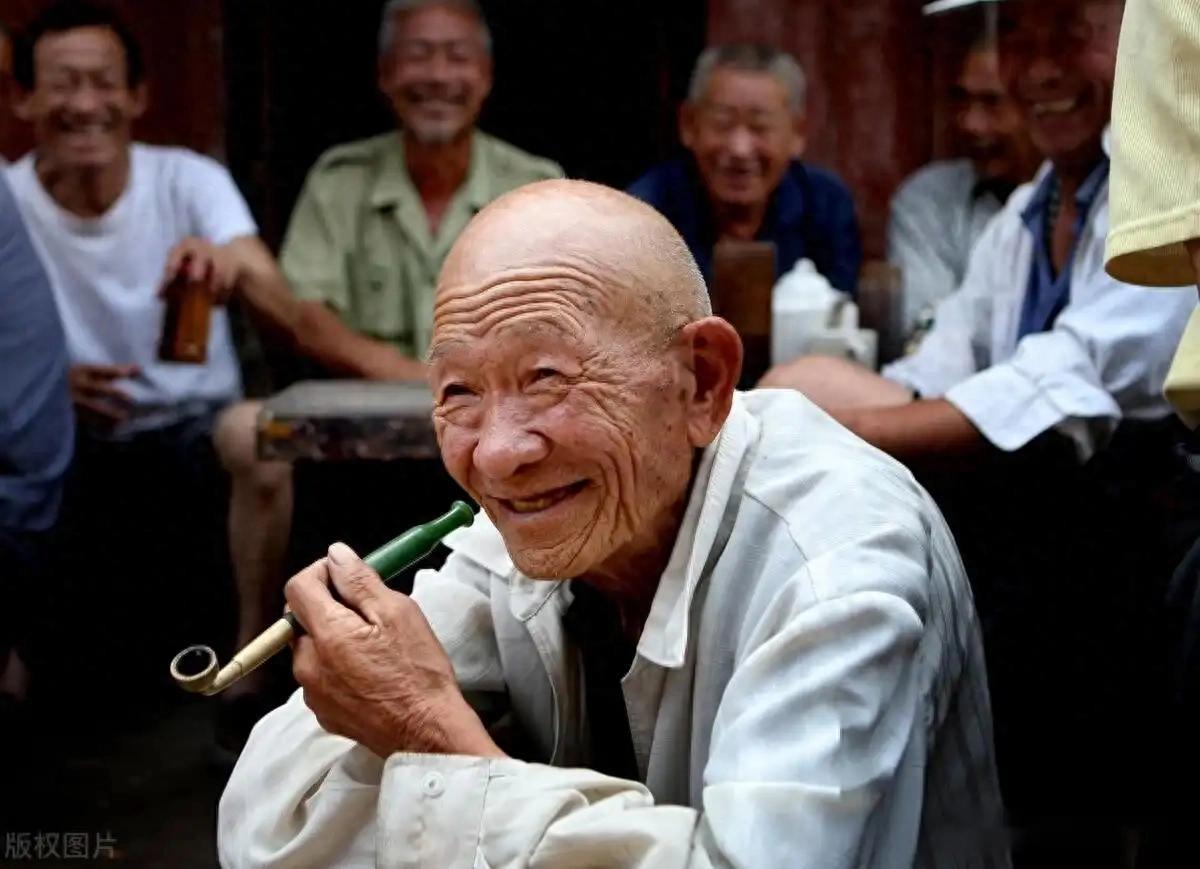

In fact, this statement reflects the values of restraint and modesty in the traditional culture of the great Eastern countries. This idea has been passed down from ancient times to the present and is deeply rooted in people\’s hearts. In traditional culture, modesty and restraint Only in this way can we develop for a long time, and complacency and arrogance can only be temporary glory after all.
The word \”concave\” also has multiple meanings. In addition to representing the concave shape, it can also represent the curvature of the terrain, the concavity of the wall, the concavity of the mountain, etc., and this kind of wall And the curvature of the terrain will lead to a very bad shape, such as the horseshoe shape and bow-back shape that we often say. These shapes represent bad Feng Shui.

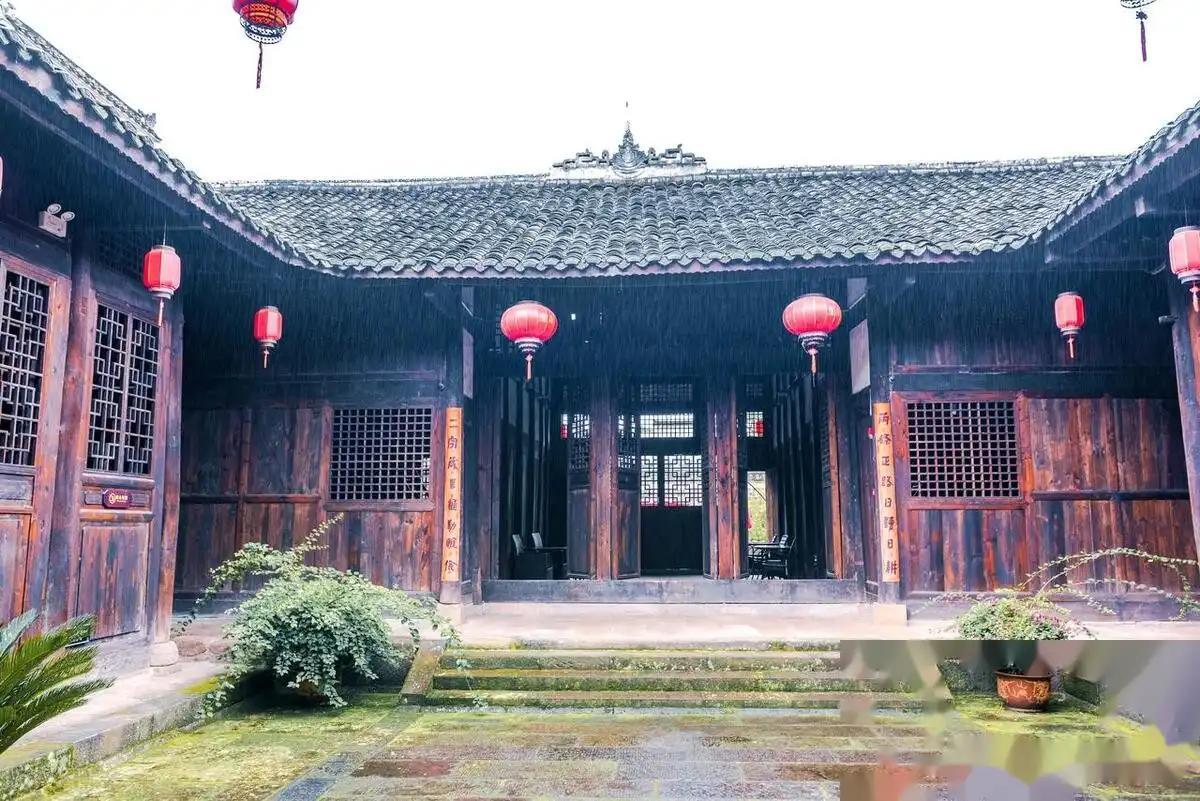
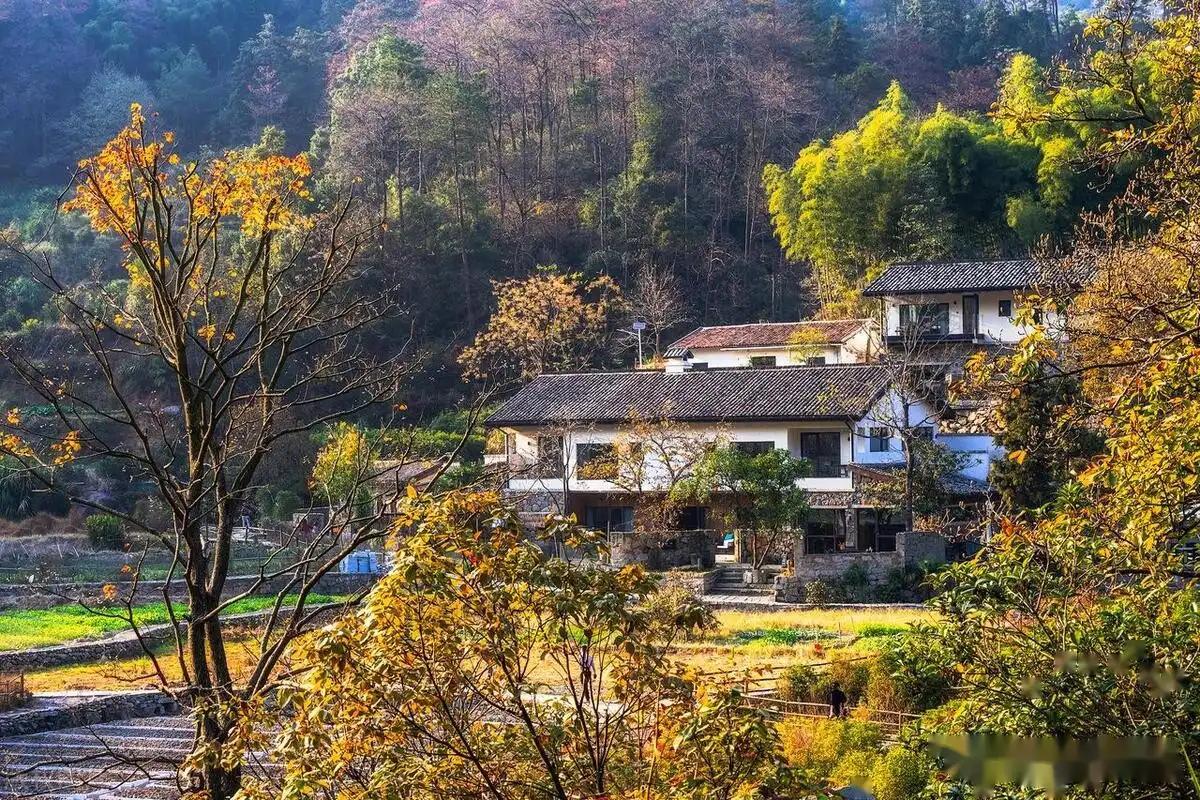
So \”choosing a concave door\” actually emphasizes that when choosing a residential location, you should choose a place surrounded by mountains on three sides and open on one side. Only in this way can it help the family\’s fortune and provide opportunities for the development of the family\’s future generations. Good condition
The meaning of \”grave selection convex\”
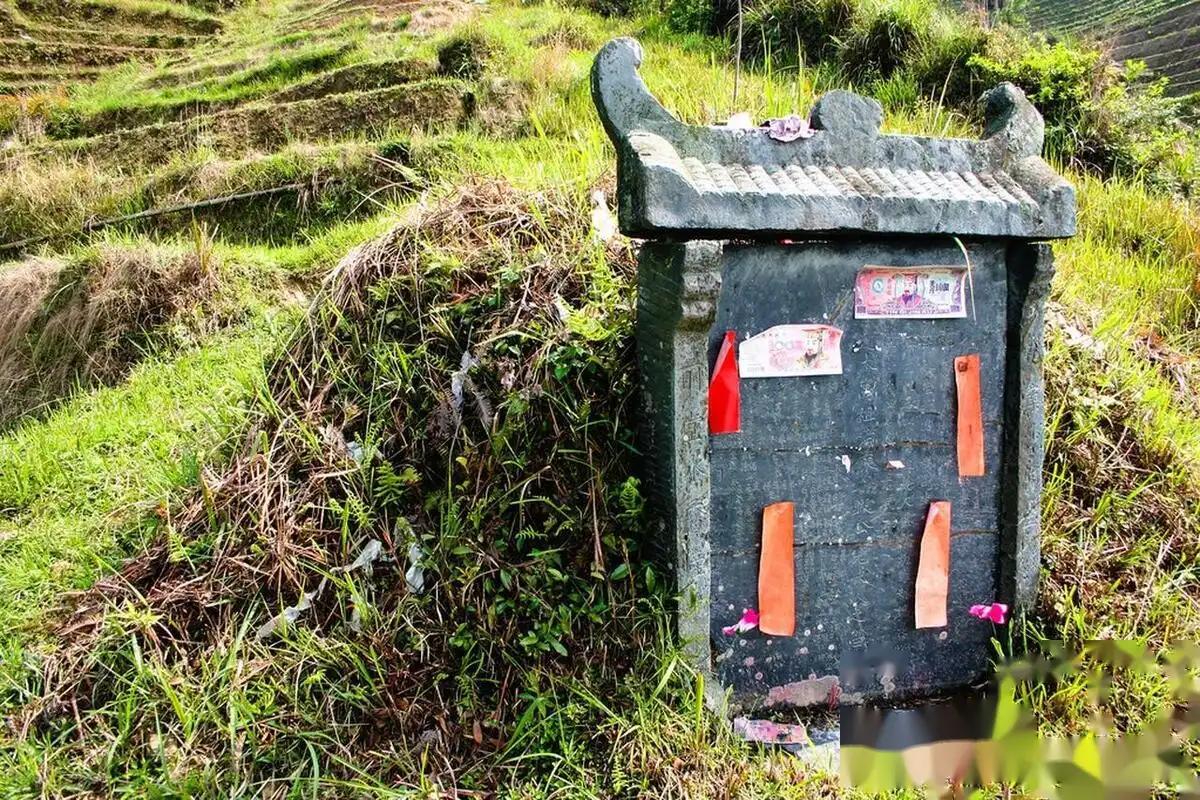
The term \”choose convex graves\” is actually a continuation of \”choose concave gates\”. In rural areas, many people put their ancestors\’ graves together, which is the so-called \”family cemetery\”. The cemetery will also be affected by the \”door selection concave\” Feng Shui theory
The traditional concept in rural areas believes that the location of tombs should also follow certain Feng Shui principles, and \”selecting convex graves\” actually emphasizes that when selecting the location of tombs, attention should be paid to the shape and position of the mound, and convex tombs should be selected. Out of the terrain

This way Only by allowing the place where our ancestors rest to be better developed can we better protect future generations.
The influence of Feng Shui in the countryside
Although science and technology are now developed, Feng Shui still has a place in the rural culture of large Eastern countries, and many People still believe that as long as they follow these trendsIf water rules, you can attract wealth and bring prosperity to your descendants.

But as the times change, these Feng Shui theories are gradually replaced by modern knowledge, and people are no longer superstitious about these Feng Shui theories. Many people have become more enlightened in their thinking and are no longer bound by these traditional concepts. More It is the belief that education and personal effort are the key factors in the emergence of talents.
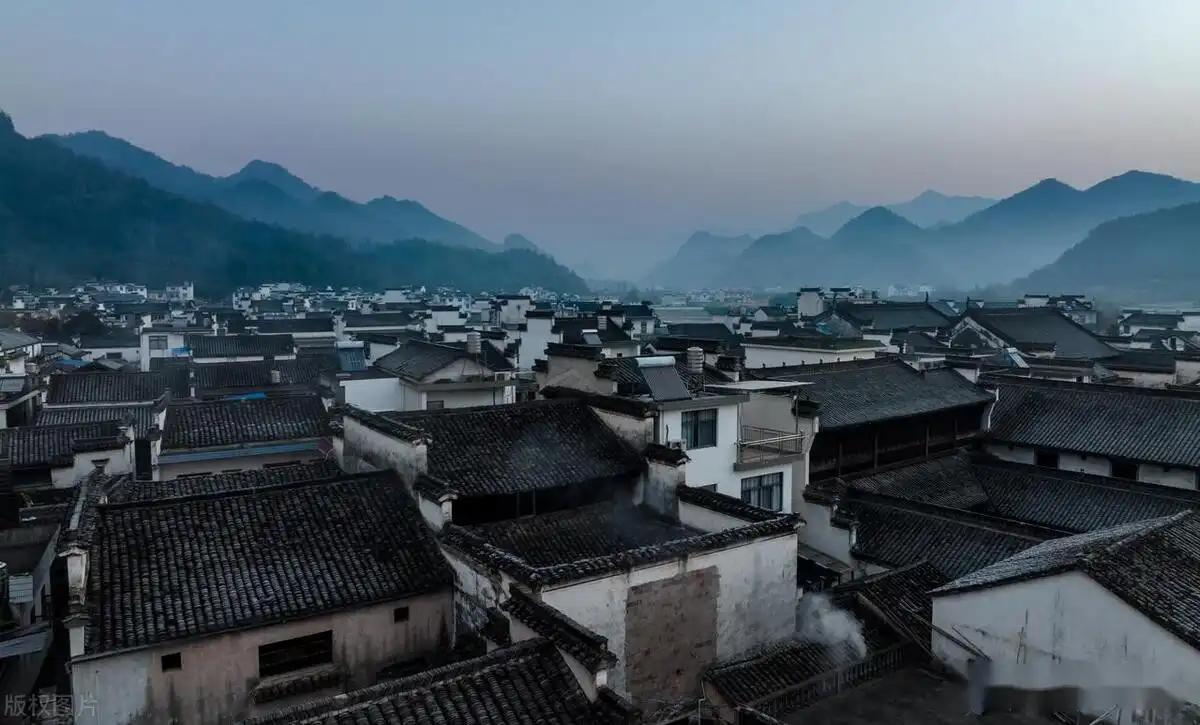
\”Door\” refers to the door of a residence , also represents the overall residence. In traditional culture, the door is like a person\’s mouth, a channel for communication between people and the outside world, so there is a lot of emphasis on the door in Feng Shui.
The gate acts as a The most important components of a housePart, its importance is self-evident, so the door of the house should be chosen in a good direction to bring better luck to the family.

But as With the development of modern society, people\’s thinking has also undergone tremendous changes. They no longer blindly believe in these Feng Shui theories as before, but believe more in education and personal efforts.
People realize that in modern society, If you want your children and grandchildren to develop better, it is not enough to rely on Feng Shui alone. More knowledge and skills are also needed. Therefore, many rural families will choose to send their children to school so that they can master more skills and lay the foundation for future development. Basics.
Conclusion
After reading this article, I feel that although Feng Shui is part of traditional culture, in modern society, education and personal effort are the real keys. How do you see the collision between these traditional concepts and modern ideas? Welcome to share your views in the comment area, and don’t forget to like and support!
本站内容及图片来自网络,版权归原作者所有,内容仅供读者参考,不承担相关法律责任,如有侵犯请联系我们:609448834